Ether
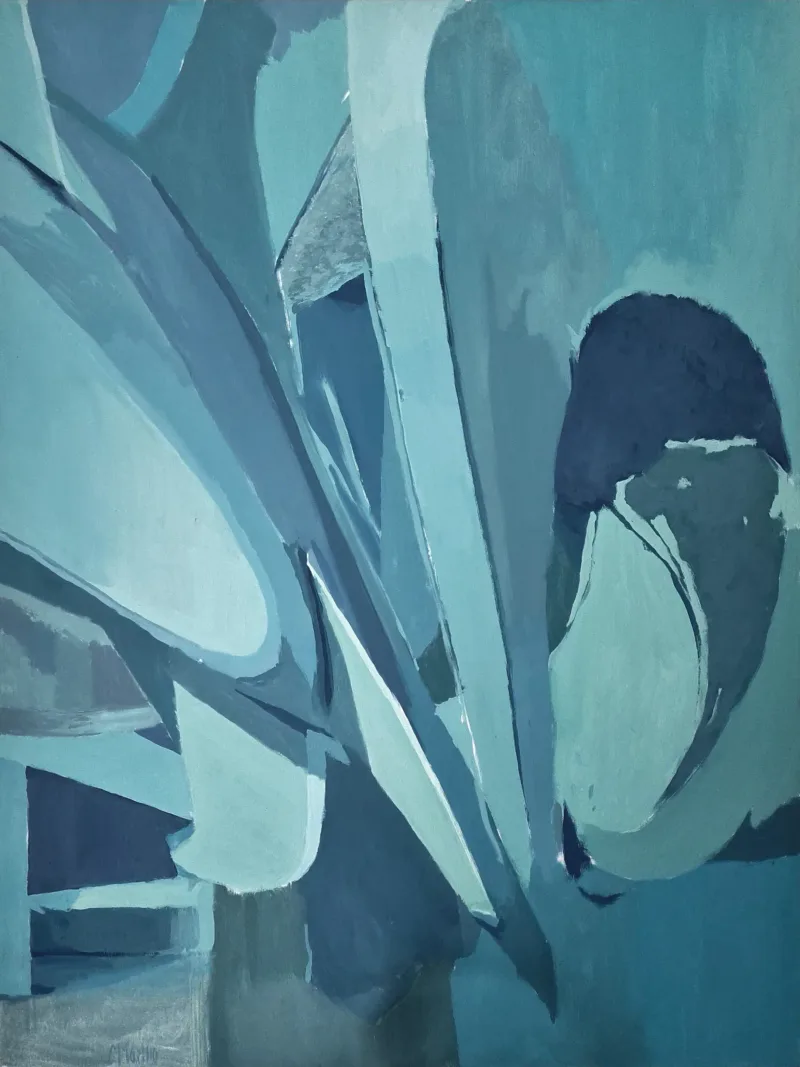
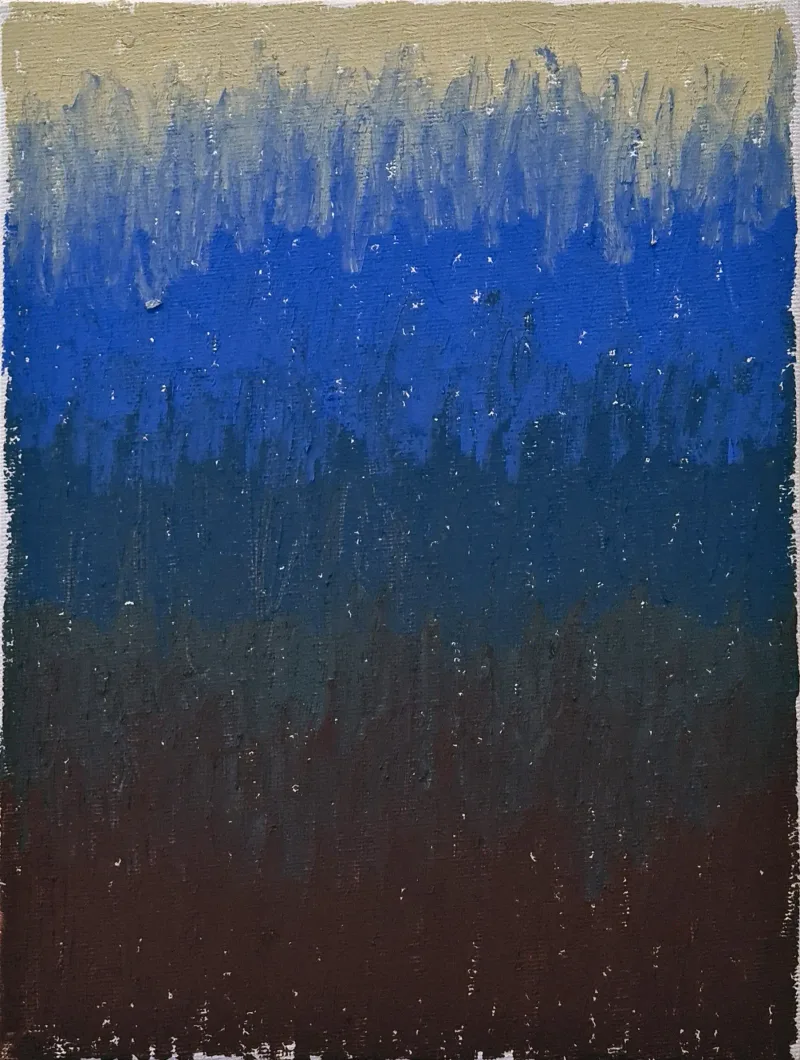
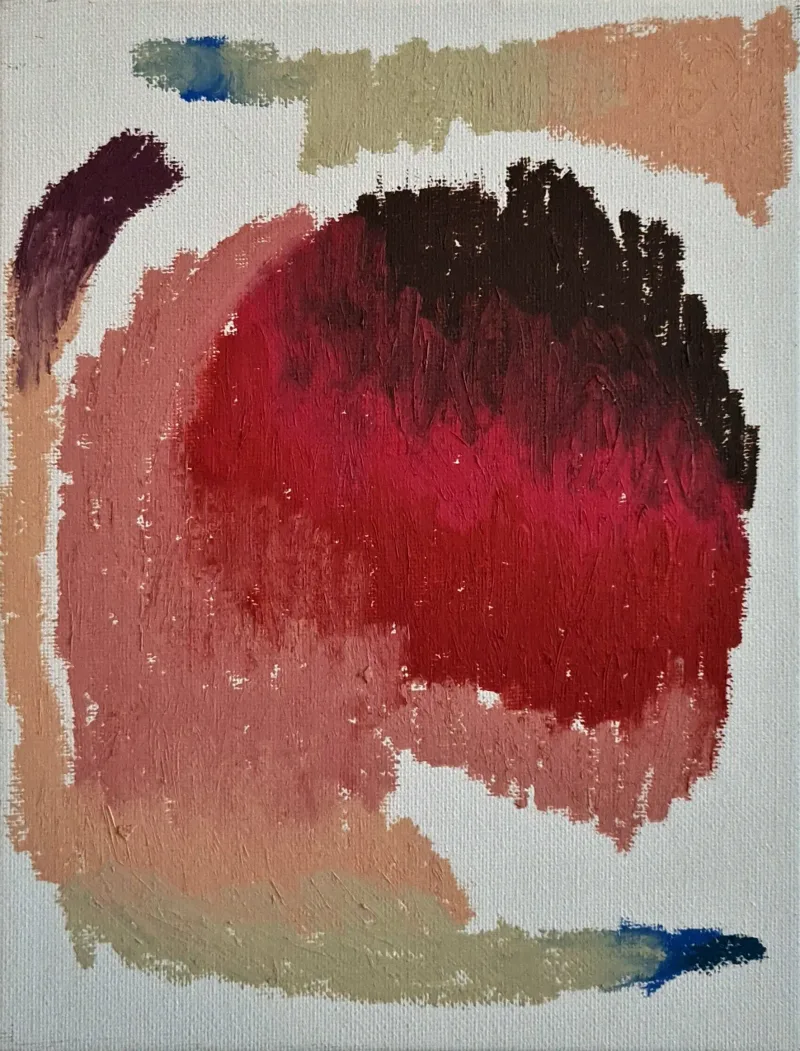
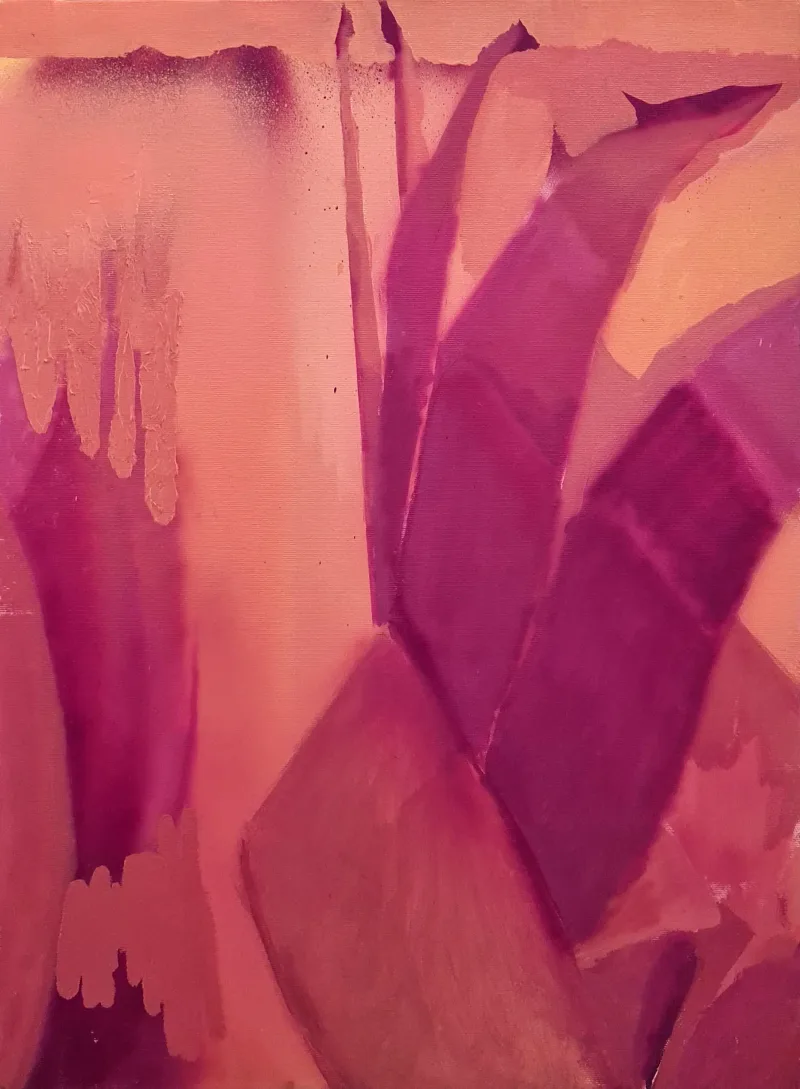
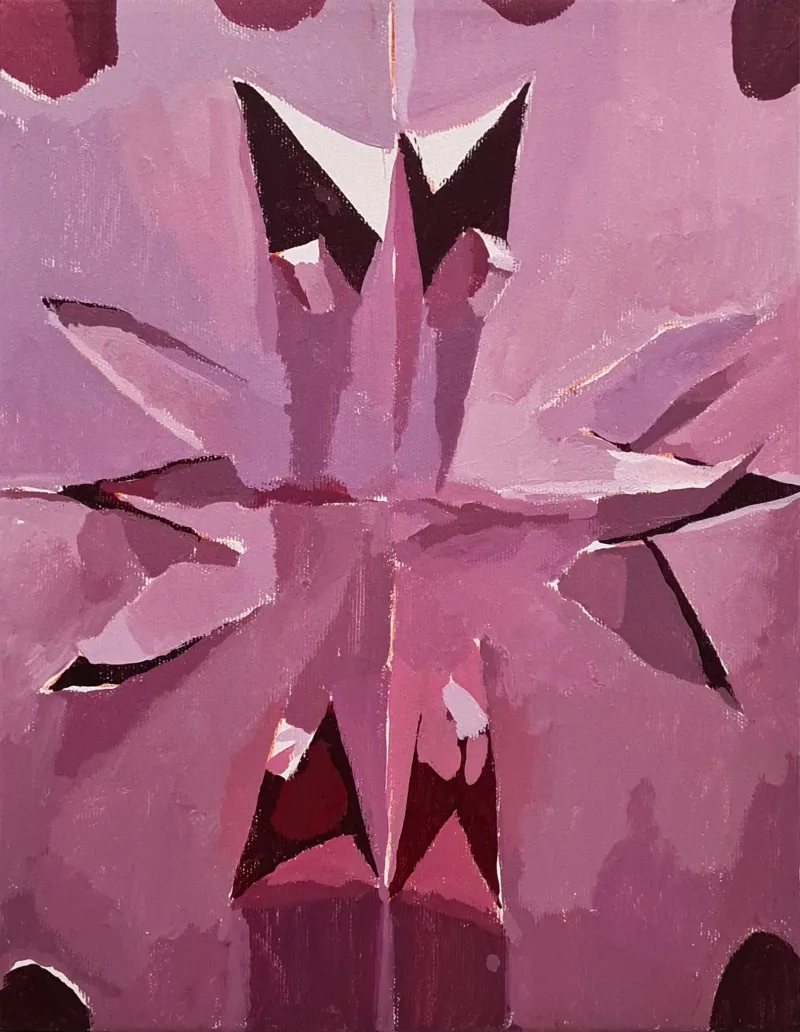
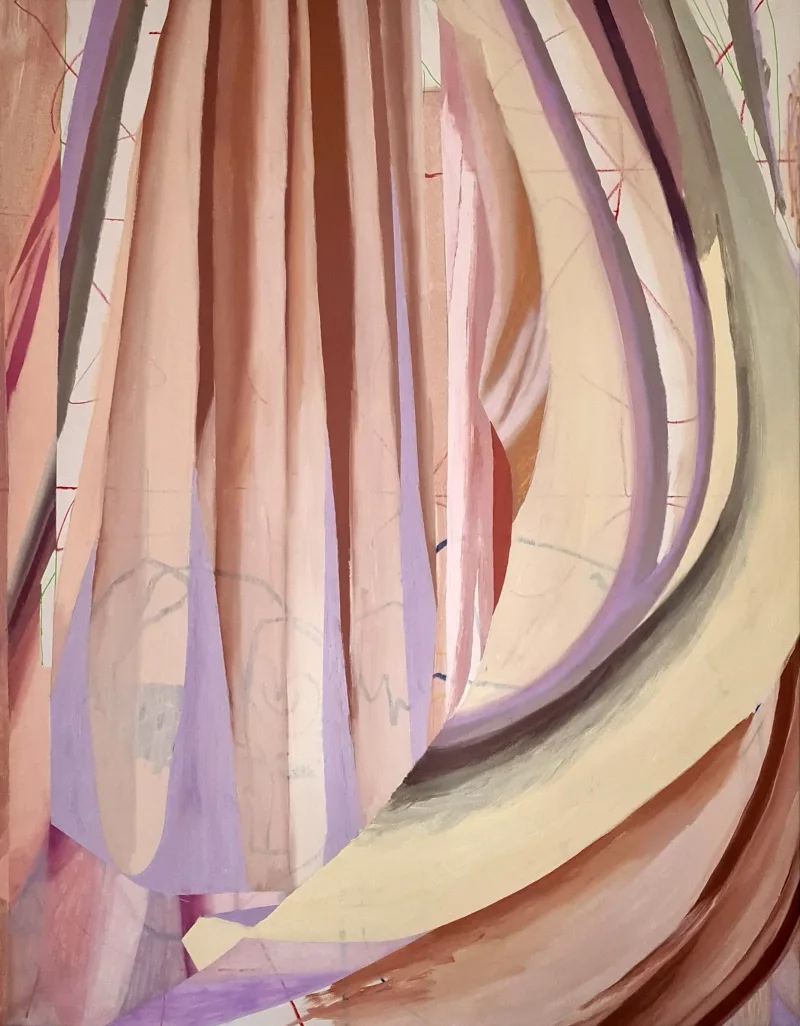
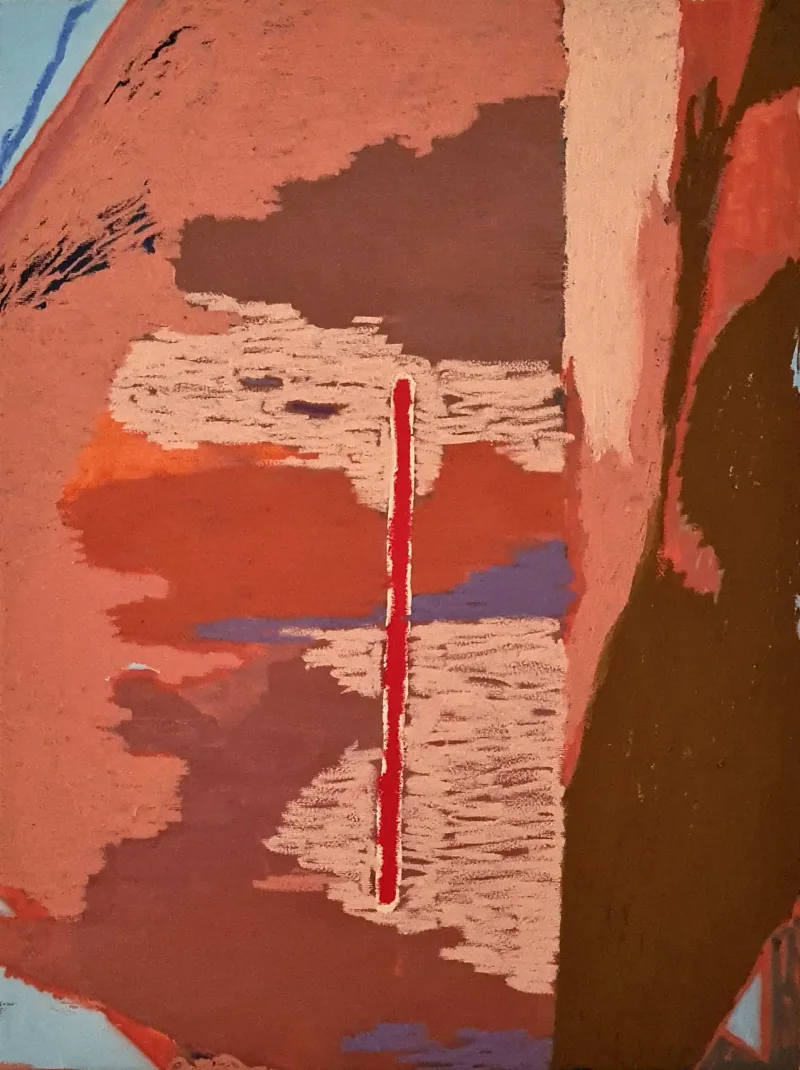
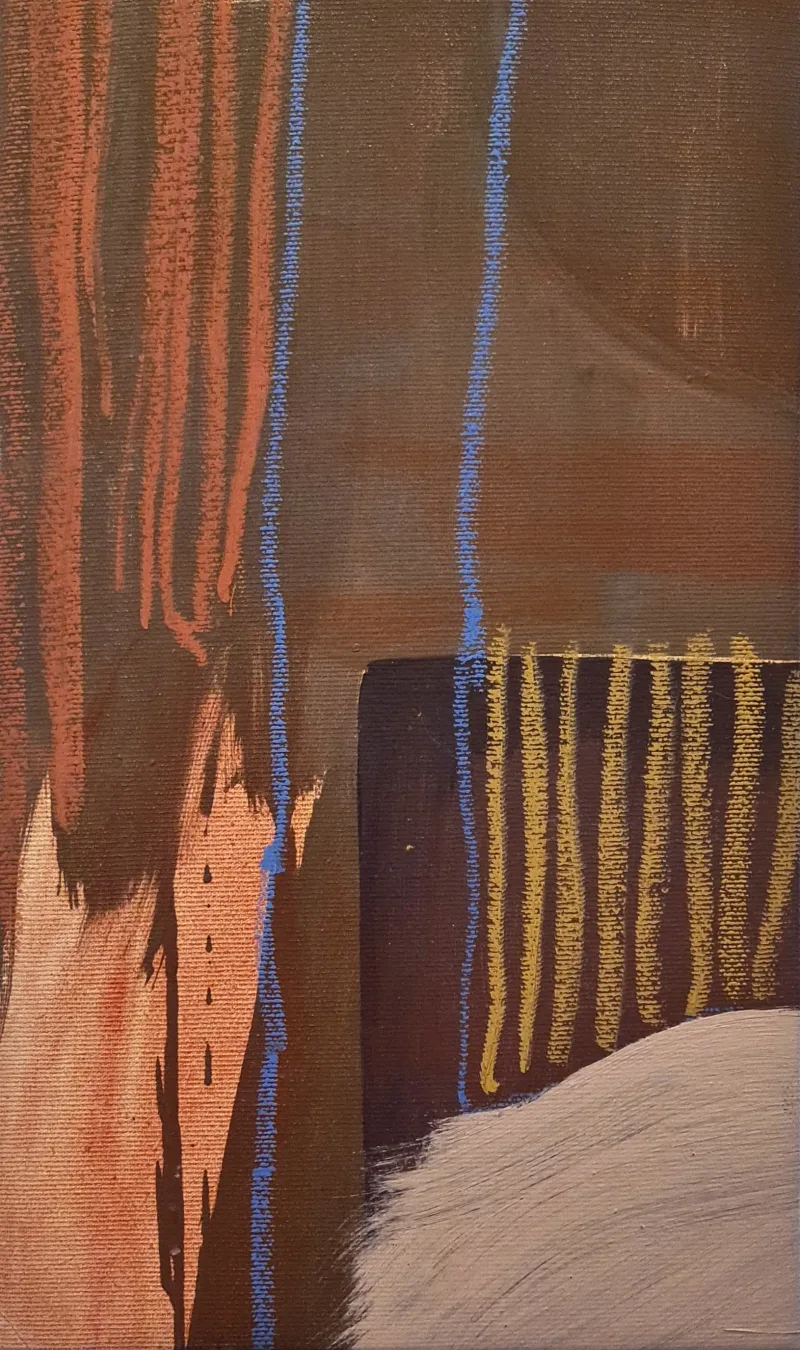
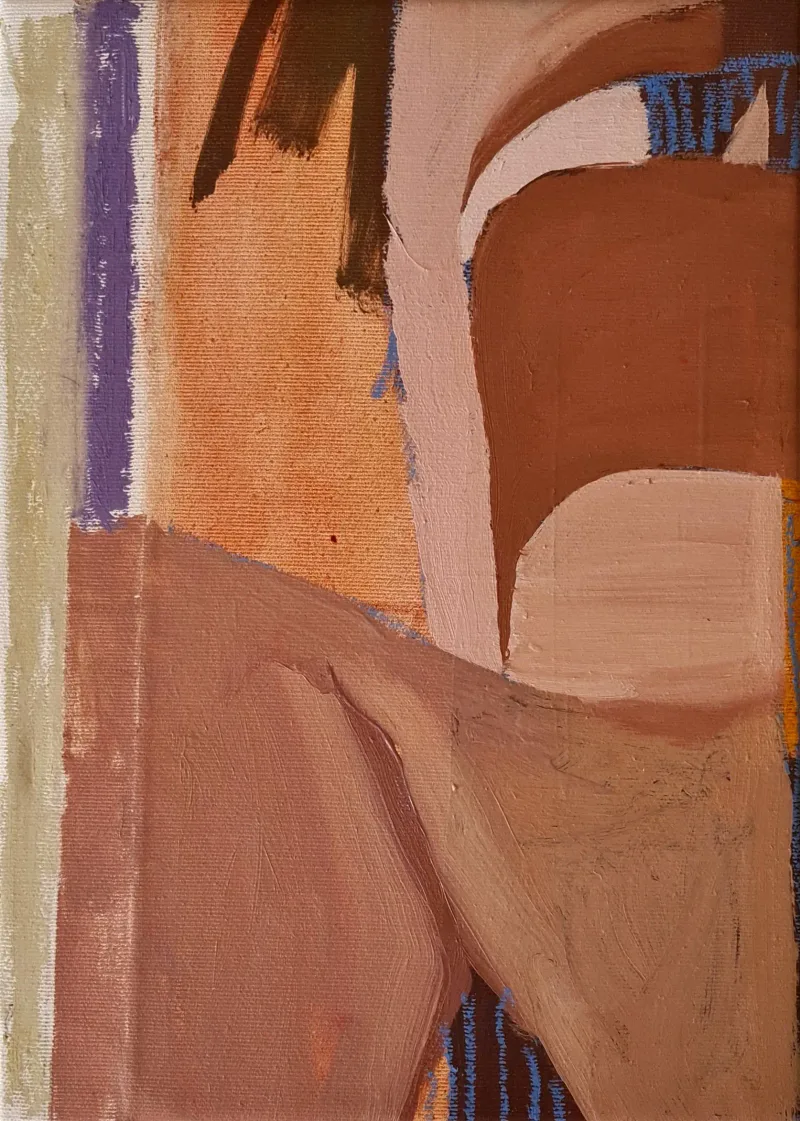
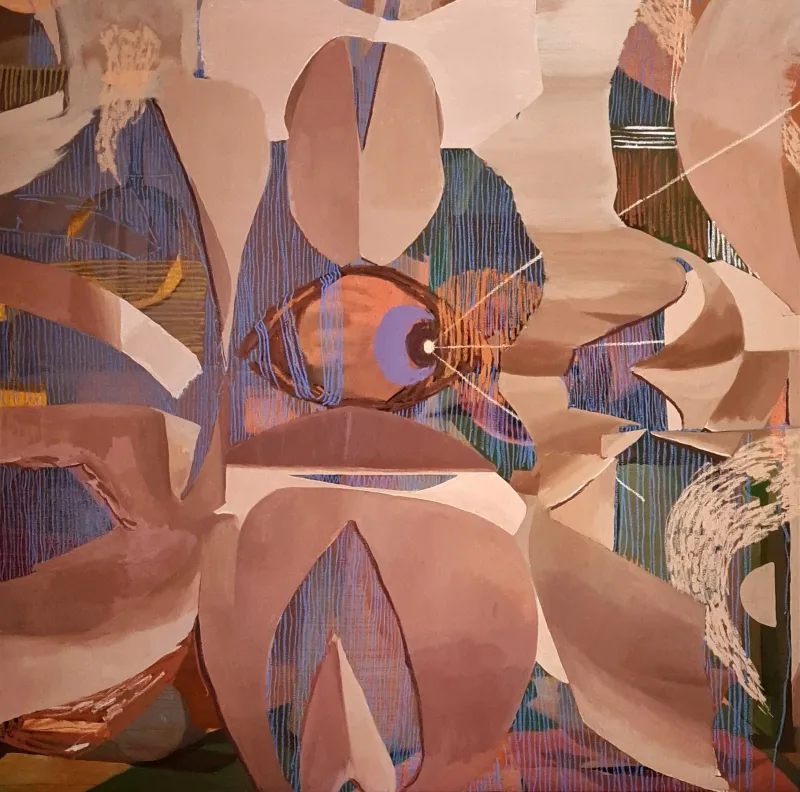
Éter is born in that imprecise territory between things and the gaze that transforms them. The works still start from recognizable elements (organic forms, objects, fragments of structures, volumes), but gradually these lose their condition of representation and become color, matter, rhythm and atmosphere.
The series could be understood as a search for what remains when the image is no longer fully identifiable. It is not so much about abandoning reality as about passing through it: looking at an object until it stops being only that object and begins to become something else.
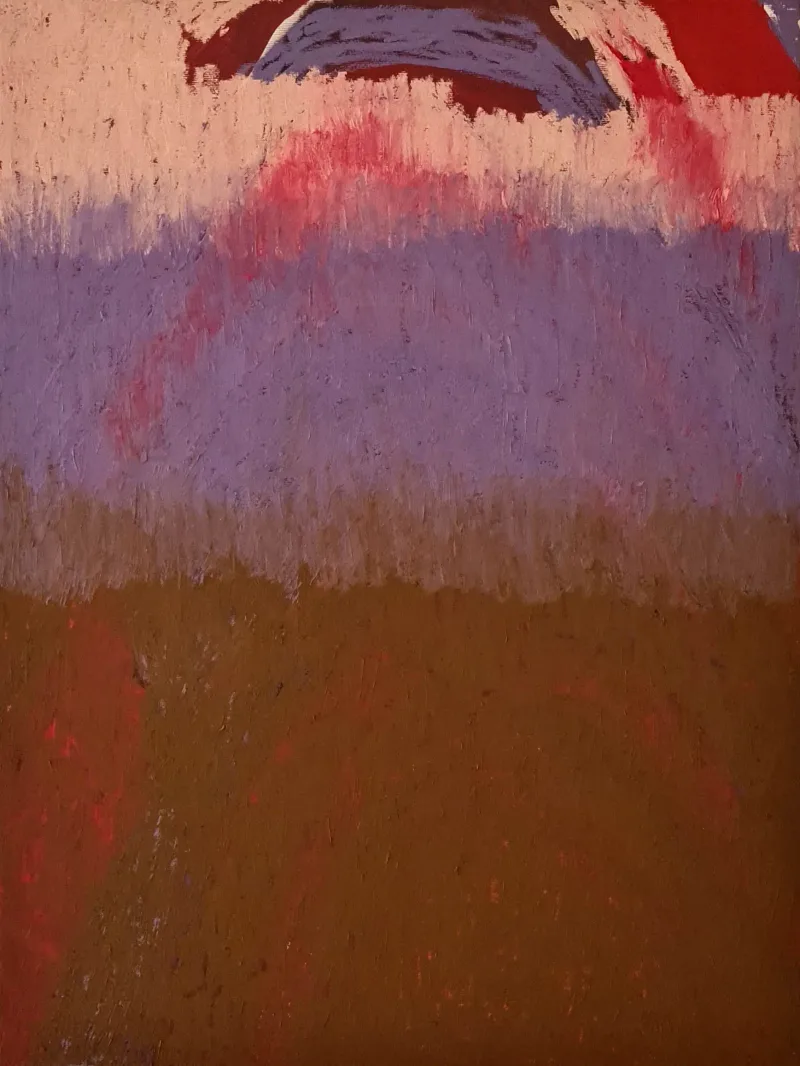
In Éter, construction and dissolution coexist. Some forms seem to emerge, open, fold or fragment; chromatic fields function almost as spaces; some areas retain a certain corporeality in the paint, while others seem to turn into air. Figuration appears and disappears continuously, as if the image were in a permanent state of transformation.
But this transformation does not imply a will to reach pure abstraction. There is a need to remain linked to things, to keep some anchor in the world. At the same time, representation proves insufficient: what is recognized is not the destination of painting, but its starting point. The work thus sits in an intermediate place, between the object and its memory, between the concrete and the imagined, between the form we recognize and what our gaze builds from it.
In this displacement, reality stops being something painting tries to reproduce and becomes a material that can be transformed. Reality is the starting point, not the destination. The object becomes perception; perception becomes painting; and painting becomes something that no longer needs to respond entirely to what it came from.
The title Éter alludes precisely to that intermediate space, to what we cannot touch or delimit but which seems to be present. The series attempts to approach the zone where forms still keep something of their origin and yet begin to detach from it.
That is why Éter can be read as a series about the transformation of matter into perception: an attempt to capture something without a stable form, what remains between reality and the experience of that reality. A painting that does not seek to decide between figuration and abstraction, but to remain on that fertile edge where a thing can still be recognizable and, at the same time, become another.